
In short
A professional organizer works alongside your interior designer to set up what goes inside the cabinetry, closets and pantry, so the home works as well as it looks. The best results come when the organizer joins before the millwork is finalized, while shelf heights and drawer layouts can still change.
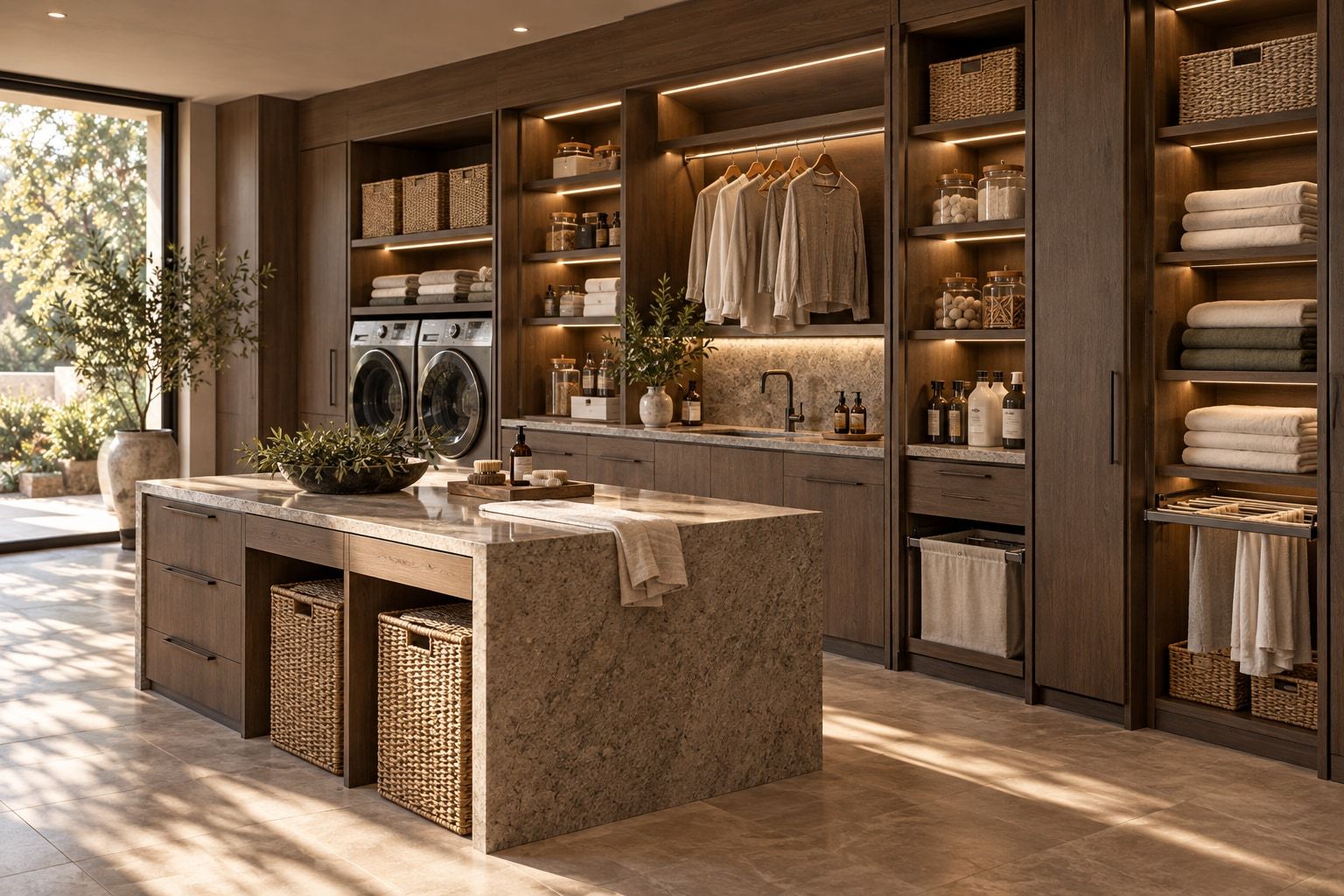
Two roles that meet at the cabinet door
An interior designer decides how a home looks and feels: the materials, the proportions, the light. An organizer decides how it works day to day: which drawer holds what, how the household moves through the kitchen in the morning, where the overflow goes. The two meet at every cabinet door, closet rod and pantry shelf.
When those decisions are made separately, the result is familiar. Beautiful millwork with shelves at the wrong height. A dressing room with too little long hanging. A pantry that cannot hold a week’s shopping.
When to bring an organizer in
The most useful moment is during the cabinetry and closet drawings, before they go to the fabricator. At that stage an organizer can:
- Count what the household owns in the categories that matter, such as shoes, suits and dresses, linens, serving pieces and pantry staples, so storage is sized to real quantities.
- Plan zones by frequency of use, so everyday items sit between waist and eye height and occasional ones go higher or lower.
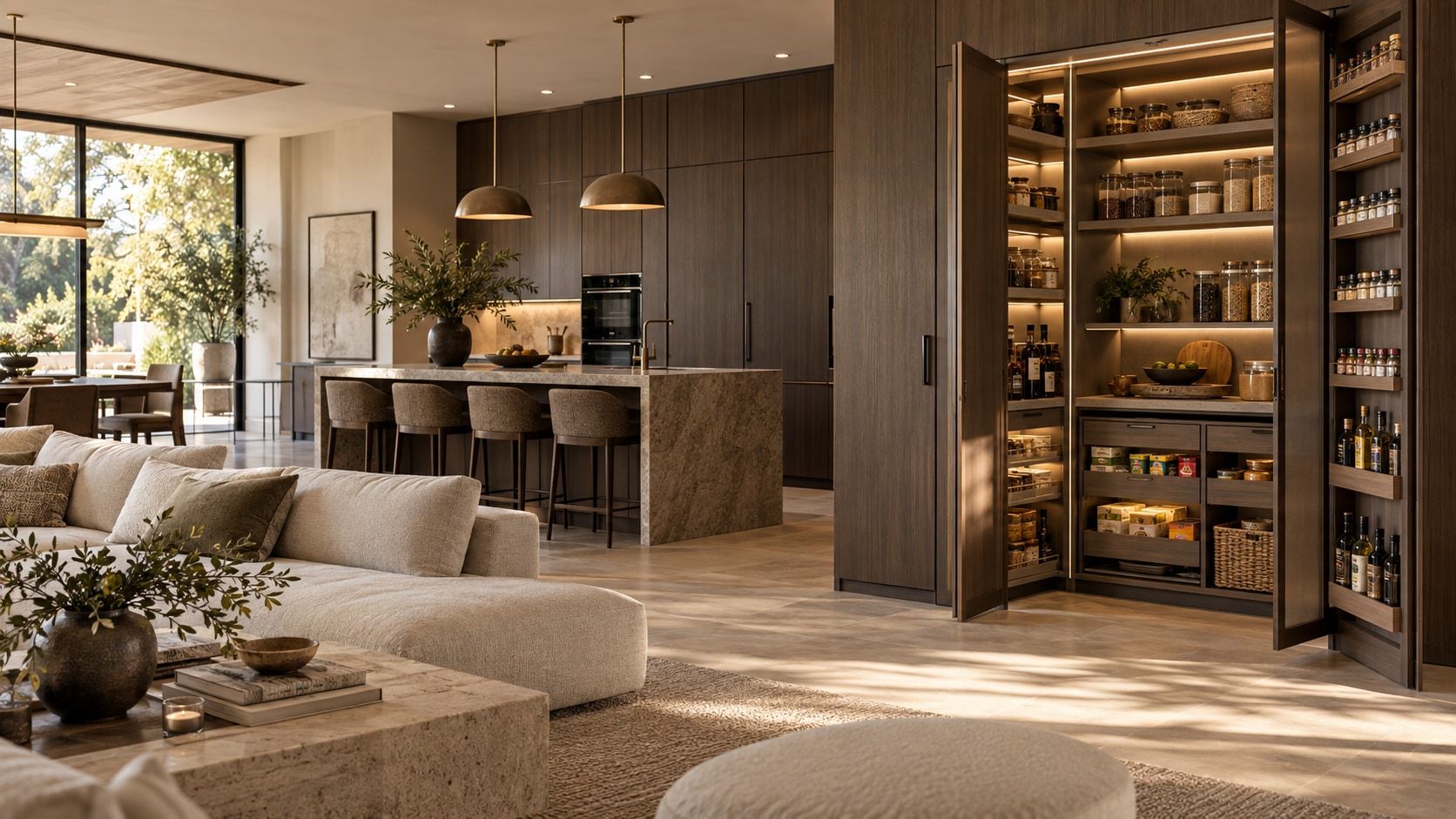
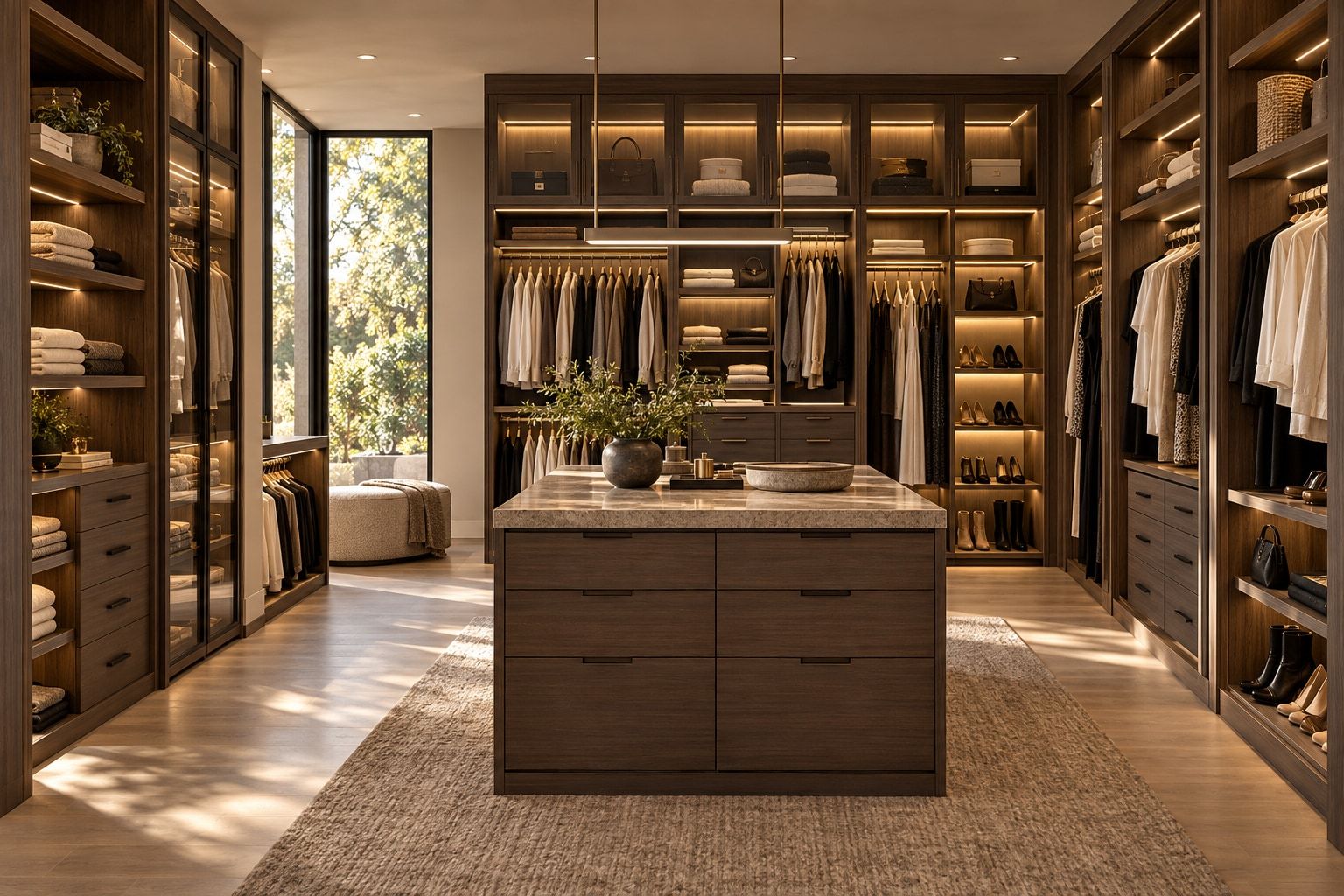
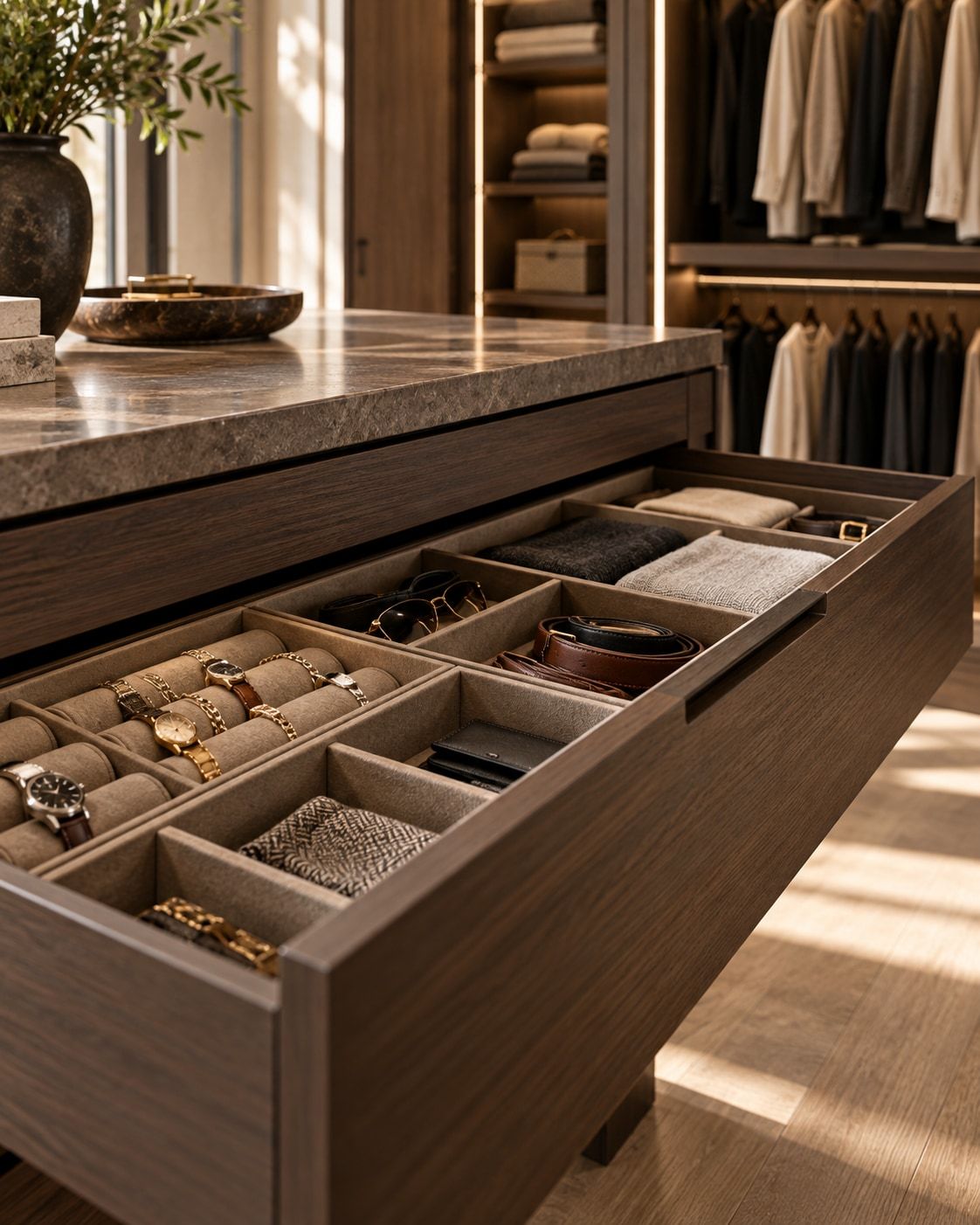
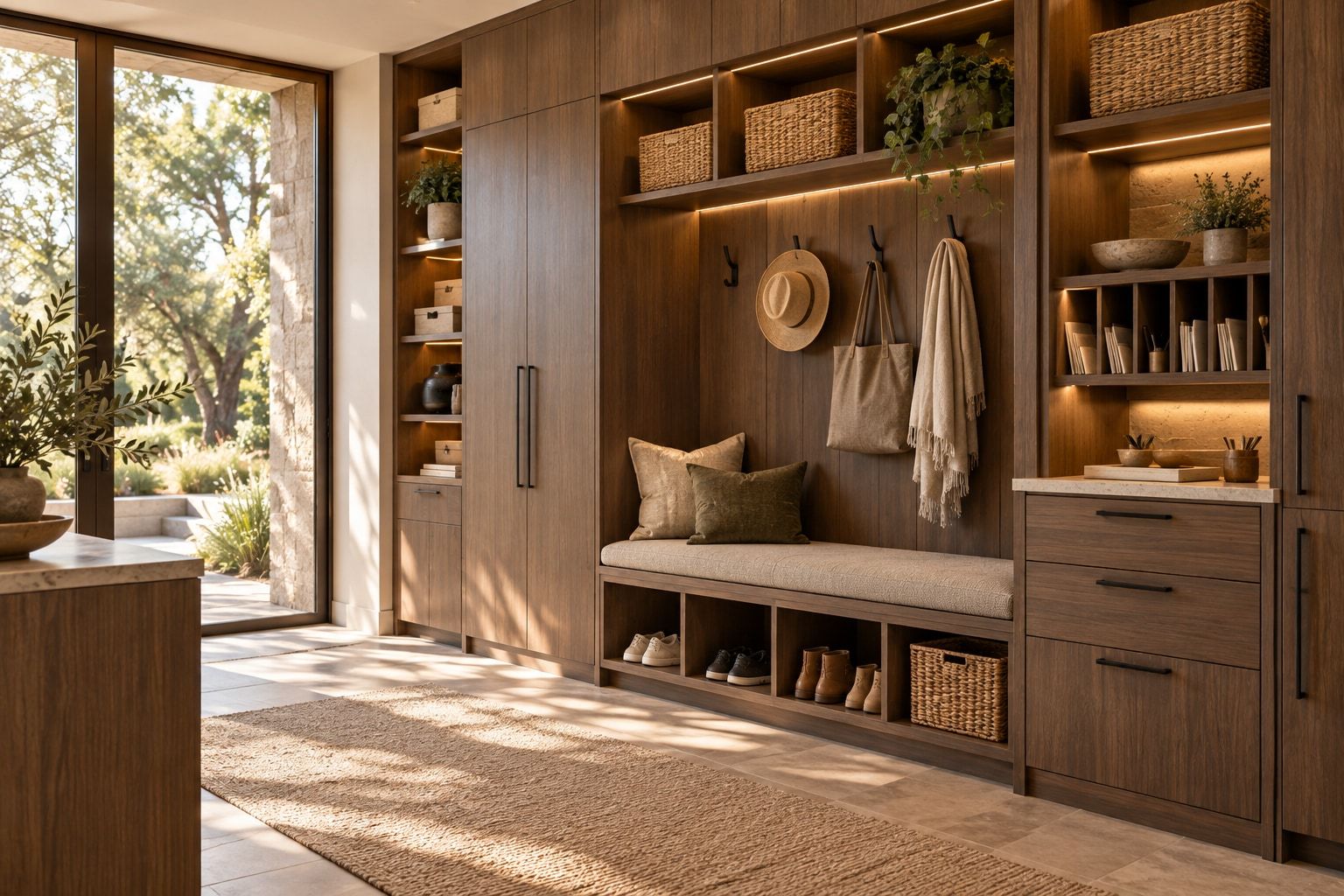
- Specify the interior fittings, such as drawer dividers, pull-outs, shelf heights and the ratio of long to double hanging, so the inside of the cabinetry is designed rather than filled.
If the millwork is already installed, a great deal can still be done with inserts, risers and adjustable shelves. There is simply more freedom on paper.
What the designer keeps
The designer keeps the vision. Organizing products should disappear into the design: matching hangers, quiet canisters, inserts in finishes that suit the cabinetry, labels that are small and consistent. Nothing should look as if it came from a different house.
A handover, done together
At the end of the project, the organizer unpacks and sets up the home, labels where it helps, and walks the client through it with a care guide written for the household. At Home Harmonics the handoff is co-branded by default, so the client receives the design and the function as one finished piece of work. White-label is available when a studio prefers it.
For homeowners
If you are working with a designer, ask whether an organizer can review the closet and cabinetry drawings before they are finalized. Small changes at that stage prevent expensive ones later. If your designer has no one in mind, Home Harmonics is glad to introduce itself.
For designers, architects and builders
Home Harmonics works with the trade on post-install organization, move-in completion and client handoff in Dallas–Fort Worth and, by arrangement, on projects elsewhere. When a project needs built storage, Yaz can design it and coordinate a build partner, with an image of the finished space before anything is made. See how trade partnerships work.